



How Leather Furniture Fits Different Interior Styles

Key Takeaways
- Leather furniture can complement different interior styles when selected with the right shape, colour, and finish.
- Minimalist interiors benefit from clean-lined leather pieces with neutral tones.
- Industrial spaces often pair leather with exposed metal, timber, and concrete elements.
- Classic interiors typically use leather furniture with more traditional detailing and richer colours.
- Choosing the right leather sofa depends on the overall design language rather than following trends.
Introduction
Choosing the right leather sofa involves more than selecting a comfortable seat. It also requires considering how the piece interacts with the surrounding décor, materials, colours, and architectural features. Leather has remained a common material in home furniture because it adapts to a wide range of interior styles without requiring significant design compromises. While many people associate leather with traditional settings, it can also suit contemporary homes when paired with the right furnishings and finishes. Understanding how leather furniture functions within minimalist, industrial, and classic interiors helps homeowners make practical decisions that support both appearance and long-term usability.
Minimalist Interiors
Minimalist interiors prioritise simplicity, functionality, and visual balance. Furniture is selected based on purpose rather than decoration, making every piece highly visible within the overall space. In these settings, leather furniture often works best when it features straight lines, slim profiles, and understated detailing. Large decorative stitching, ornate arms, or bulky proportions may disrupt the clean aesthetic that defines minimalist design.
Neutral colours such as black, grey, beige, white, and muted brown generally integrate well into minimalist spaces. A leather sofa with a smooth finish and simple silhouette complements open layouts without creating unnecessary visual weight. Pairing leather seating with timber flooring, soft textiles, and uncluttered storage solutions creates contrast while maintaining a restrained appearance. Lighting also plays an important role, as natural light highlights the texture of leather without requiring excessive decorative accessories. Instead of filling the room with multiple furniture pieces, minimalist interiors rely on fewer, carefully chosen items that perform both practical and visual functions.
Industrial Interiors
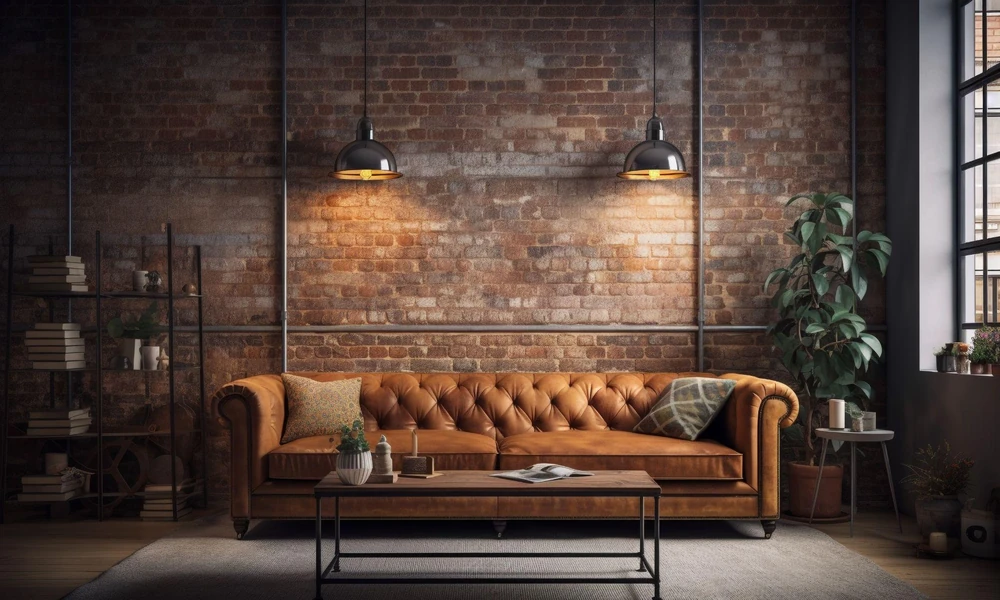
Industrial interiors draw inspiration from warehouses and converted commercial buildings, making exposed structural materials central to the overall design. Concrete flooring, brick walls, exposed pipes, steel frames, and reclaimed timber are common features that create a robust visual character. Leather naturally complements these materials because its texture introduces warmth while maintaining the strong appearance associated with industrial spaces.
Darker shades such as brown, tan, charcoal, and black are frequently chosen because they blend well with metal and unfinished timber. A leather sofa placed alongside steel shelving, wooden coffee tables, and concrete surfaces creates balance by softening otherwise hard materials without changing the industrial identity of the room. Vintage-inspired leather can also contribute to the lived-in appearance often associated with industrial interiors, although newer leather finishes can achieve similar results when combined with appropriate furnishings.
Scale is another important consideration. Industrial interiors often feature higher ceilings and larger open spaces, allowing larger furniture pieces to fit naturally within the room. Choosing proportionate home furniture prevents the leather seating from appearing undersized while preserving comfortable circulation throughout the space.
Classic Interiors
Classic interiors emphasise symmetry, proportion, and enduring design rather than temporary trends. Furniture often incorporates traditional craftsmanship, refined detailing, and balanced layouts that create a structured living environment. Leather furniture, like a leather sofa, has long been associated with these interiors because it complements timber cabinetry, decorative mouldings, stone fireplaces, and traditional flooring materials.
In classic spaces, deeper colours such as dark brown, burgundy, forest green, or navy are commonly selected to reinforce the formal appearance of the room. Sofas with rolled arms, button tufting, or carefully finished wooden legs fit naturally within traditional layouts, although simpler leather designs can also work when combined with complementary accessories. Rugs, curtains, side tables, and lighting should support the overall composition rather than compete with the furniture itself.
Maintaining consistency is particularly important in classic interiors. Rather than introducing contrasting modern elements, the focus remains on selecting furniture with proportions and finishes that contribute to a cohesive and balanced design. Leather continues to perform well in these environments because it offers durability alongside a timeless appearance that remains compatible with evolving decorative preferences.
Conclusion
Leather furniture is versatile enough to suit multiple interior styles when selected with careful consideration of proportion, material, and overall design direction. Minimalist interiors benefit from simple forms and neutral finishes, industrial spaces pair leather with raw construction materials, and classic interiors rely on traditional detailing and balanced layouts. Instead of treating leather as a style on its own, homeowners can view it as a flexible material that adapts to different environments. By considering how each interior style influences furniture selection, it becomes easier to choose pieces that support both everyday functionality and long-term design consistency.
Visit Maxi Home to create a space that is both practical and visually cohesive.
