



When Basement Foundation Repair Becomes Necessary for Cracks and Wall Movement

Basement walls can show small changes long before a serious structural problem becomes obvious. A thin crack may appear near a corner, a wall may seem slightly curved, or a door upstairs may begin sticking. These signs do not always point to major damage, but they deserve attention when they keep changing.
Basement Foundation Repair becomes important when cracks or wall movement are tied to changes in the structural support of the home. The service may involve stabilizing walls, supporting settled sections, repairing structural cracks, and correcting conditions that keep placing stress on the foundation.
Homeowners dealing with recurring basement cracks or wall movement can visit https://foundationrepairleesburg.com/ to learn more about local foundation repair services. A closer evaluation can determine what is causing the movement and which repair approach fits the problem.
Start With the Crack Pattern
Cracks tell part of the story, but their direction and location matter.
Vertical cracks may develop for different reasons than horizontal or stair-step cracks. A small crack that stays the same may need monitoring, while one that widens or reopens after patching may point to movement that is still active.
A contractor may compare the crack with nearby wall movement, floor changes, and door alignment. The goal is to understand what is moving before choosing a repair.
Basement Foundation Repair should respond to the condition behind the crack rather than only cover the opening. If the wall is shifting, structural support may need to come before sealing or cosmetic work.
Look for Changes in the Wall Itself
A basement wall that bows or leans inward is a different problem from a simple surface crack.
Signs may include a visible curve, horizontal cracking, separation near corners, or a wall that no longer appears straight. Framing or doors above the basement may also begin to shift.
Soil pressure outside the wall may contribute to this movement. Saturated ground can place more force against the foundation, especially when drainage keeps water close to the house.
The amount of movement, wall material, soil conditions, and available access all affect the repair approach.
What Wall Stabilization May Include
When a wall has moved, the first priority is to stabilize it.
Repair methods may include structural bracing, reinforcement systems, or anchoring methods chosen for the wall condition. The purpose is to reduce continued inward movement and restore dependable support.
The contractor may also look at cracks, damaged masonry, and areas where water is entering. Those issues may be repaired after the wall has been stabilized.
Cosmetic patching may improve appearance, but it does not correct the force that caused the wall to move.
Settlement Calls for a Different Repair Plan
Not every basement problem comes from pressure against the walls. Some problems begin below the foundation.
Settlement may happen when soil beneath part of the structure compresses, shrinks, erodes, or loses support. The signs may include sloping floors, gaps around doors, cracks extending into upper walls, or one part of the home sitting lower than another.
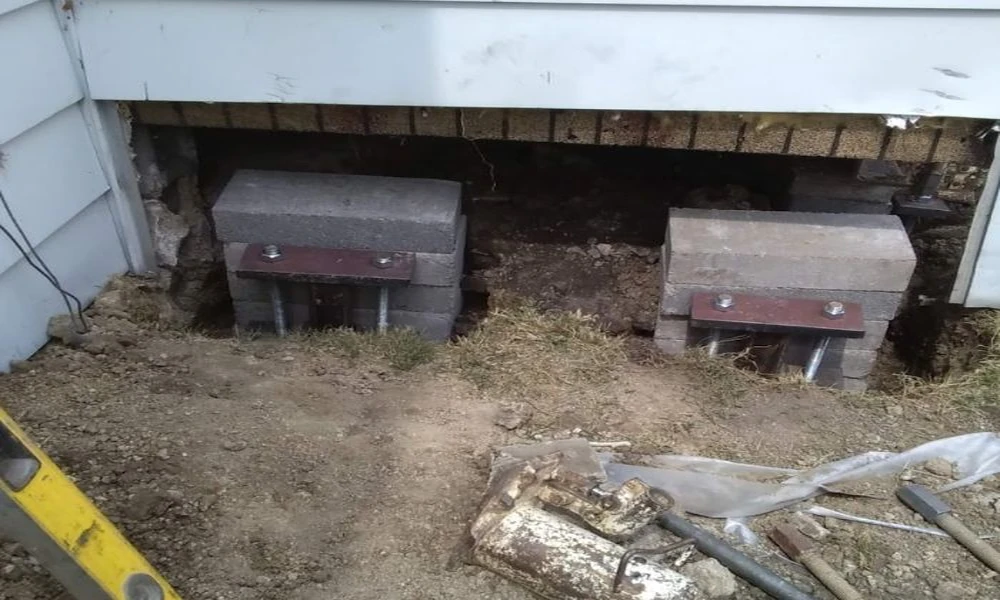
Basement Foundation Repair for settlement may involve supporting the affected section from below and transferring the structural load to more stable support.
The exact method depends on the foundation type, location of movement, and soil conditions. The work should focus on the area that has lost support rather than treating the entire foundation the same way.
Water and Drainage Can Add Stress
Water around the foundation can influence soil conditions and wall pressure.
Poor grading may direct runoff toward the house. Short downspouts may release roof water beside the foundation. Low areas may stay saturated after storms, while erosion may remove soil from areas that once provided support.
Structural repair and drainage work are separate services, but they may need to be considered together when moisture contributes to movement.
Correcting drainage may involve extending downspouts, changing the way surface water moves, or dealing with standing water near the foundation.
Know When Crack Repair Alone Is Not Enough
A stable crack may be sealed or repaired once its condition is understood. The situation changes when the crack keeps widening, several cracks appear in the same area, or the wall itself is moving.
Repeated patching can hide the symptom without changing the underlying problem. A crack that returns after repair may show that movement has not stopped.
Basement Foundation Repair may need to stabilize the foundation first, followed by crack sealing, masonry repair, or other finishing work once the structure is no longer shifting.
This sequence reduces the chance of repairing the same visible damage again.
What the Repair Process Usually Looks Like
A typical project begins with an inspection of the basement walls, cracks, floor, and nearby structural areas. The contractor may also review doors, floors, and wall changes elsewhere in the home.
The exterior is checked for settlement, drainage problems, erosion, and soil conditions that may relate to the movement.
Next, the cause is identified. The problem may involve wall pressure, settlement, weakened support, or more than one condition.
The repair method is then selected. Work may include wall stabilization, support below a settled section, structural crack repair, masonry work, or drainage-related improvements.
After the structural work is complete, cosmetic repairs can be handled and the area can be monitored over time.
Conclusion
Basement cracks deserve more attention when they appear with wall movement, settlement, recurring gaps, or changes elsewhere in the home. The right repair starts with understanding what is moving and why.
A complete repair plan may involve stabilizing a wall, supporting a settled section, repairing structural cracks, and dealing with drainage conditions that contribute to the problem. Watching the repaired area afterward also creates a useful reference point for future changes.
If basement cracks, bowing walls, or signs of settlement are becoming more noticeable, contact Preferred Foundation Repair Leesburg to discuss basement foundation evaluation, stabilization, and repair options for your home.
