



Sealcoating Strategies That Keep Asphalt Looking Better Between Repairs

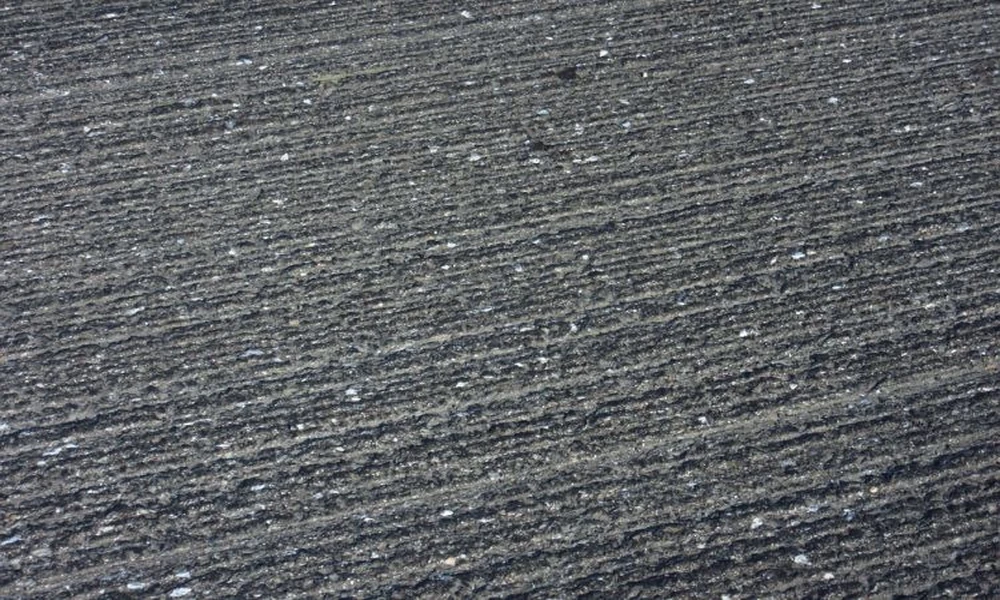
Asphalt rarely goes from healthy to badly damaged overnight. The change is usually gradual. A deep black surface fades to gray, fine cracks begin to show, and busy areas start looking dry long before the pavement needs major repair.
Sealcoating gives structurally sound asphalt an added protective surface that can reduce exposure to sunlight, water, and daily traffic. It works best as preventive maintenance, which means timing matters just as much as the product being applied.
For faded or weathered pavement, sealcoating in Rockwall offers a practical way to reduce exposure to sun, water, and everyday traffic. It also gives structurally sound asphalt a cleaner, more uniform finish between larger repairs.
Strategy One Is Knowing When the Pavement Is Ready
The best time to consider surface protection is before the pavement becomes heavily damaged.
Fading, light oxidation, small repairable cracks, and a dry-looking surface may all suggest the asphalt is aging but still stable.
Problems such as deep potholes, alligator cracking, severe settlement, or large broken areas point to a different need. Those conditions may require patching, resurfacing, or base repair instead.
The value of Sealcoating comes from protecting pavement that still has useful life left, not from covering damage that needs a structural repair.
Strategy Two Is Repairing Weak Areas First
A protective coating performs better when the surface underneath is in good condition.
Before application, contractors may review open cracks, small potholes, loose material, worn edges, and spots affected by oil or other automotive fluids. Cracks that need filling and damaged sections that need patching are usually handled first.
This order matters because a coating does not rebuild failed asphalt. If a crack remains open underneath, the weak point is still there after the surface dries.
Preparing those areas first creates a better foundation for the coating and keeps maintenance focused on the actual condition of the pavement.
Strategy Three Is Cleaning for Better Bonding
A driveway or parking lot may look clean from a distance while still holding dust, fine grit, mud, leaves, and loose aggregate.
Those materials can interfere with how well the coating bonds to the asphalt.
Professional preparation may involve sweeping, blowing, scraping, or treating problem areas before application. Oil spots may need extra attention because they can affect adhesion.
The coating performs better when it has direct contact with a properly prepared surface instead of sitting over dirt or loose debris.
Strategy Four Is Reading the Traffic Pattern
Not every part of a paved area wears at the same rate.
Driveway entrances often receive repeated turning force. Parking spaces may develop concentrated wear where tires stop in the same place. Commercial lots may show heavier stress around loading areas, dumpster zones, or main travel lanes.
Looking at these traffic patterns before service begins can reveal where the pavement needs more attention.
It also gives property owners a better idea of which areas to watch later. High-use zones may show wear sooner than quiet sections, even when the entire surface was treated at the same time.
Strategy Five Is Choosing the Right Weather Window
Application conditions play a major role in the finished result.
The pavement should be dry enough for the coating to bond, and the weather should allow time for curing. Rain, high moisture, heavy shade, and changing temperatures may affect the schedule.
A rushed application just before bad weather can create avoidable problems. The same is true when vehicles return before the surface has had enough time to set.
That is why Sealcoating should be scheduled around suitable conditions rather than simply the first open date on the calendar.
Strategy Six Is Planning Around Property Access
Maintenance is easier when the property has a clear access plan.
For a residential driveway, that may mean moving vehicles to the street or another parking area before work begins. For a commercial property, the plan may involve dividing the lot into sections so customers, employees, and deliveries still have somewhere to go.
Entrances, loading zones, and main traffic lanes may need to be treated at different times. Planning ahead reduces confusion once barriers go up and the surface is closed.
Strategy Seven Is Respecting the Cure Time
The work is not finished the moment the application stops.
Fresh coating needs time to cure before normal traffic returns. Driving too soon can leave marks, pull material from the surface, or create uneven wear before the coating has fully set.
Property owners should follow the contractor’s guidance about reopening the pavement.
During the early period, sharp steering while a vehicle is stopped and heavy concentrated loads are best avoided. Giving the surface time to set protects the finished work.
Strategy Eight Is Treating Maintenance as a Cycle
Good pavement care does not end after one service.
A simple cycle is useful: inspect, repair, protect, and monitor.
Check for new cracks, clean spills, keep drainage moving, and watch edges that receive repeated tire contact. Small repairs may still be needed later, and larger work such as resurfacing may eventually become appropriate as the pavement ages.
Sealcoating is one step in that larger cycle. It can reduce surface exposure and improve appearance, but it does not remove the need for future maintenance.
Conclusion
Keeping asphalt looking better between major repairs comes down to timing, preparation, weather, traffic planning, curing, and regular observation. Surface protection works best when the pavement is still structurally sound and damaged areas are handled before coating begins.
A thoughtful maintenance cycle can keep small issues from being ignored and make it easier to choose the right service as the pavement ages.
If your asphalt is fading, drying out, or showing early surface wear, contact Rockwall Paving Experts to discuss your pavement condition and learn if professional surface protection fits your current maintenance plan.
