




What Is Tile Grout For and Why You Should Care

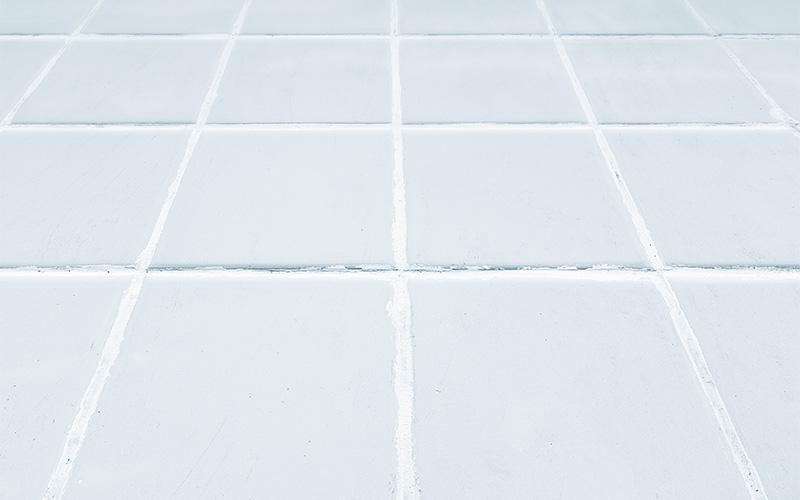
Tile installations may look flawless at first glance, but what holds them together plays just as vital a role as the tiles themselves. This unsung hero is grout—an often overlooked component significantly affecting durability, hygiene, and aesthetics. Used across floors, walls, and bathrooms, tile grout serves a practical purpose far beyond filling gaps. Its condition and type influence everything from water resistance to structural stability. Understanding why grout matters, and when to address it, is essential for maintaining any tiled surface, especially in areas like kitchens and bathrooms where moisture and movement are part of daily life.
What Exactly Is Grout?
Grout is a dense fluid used to fill the spaces between tiles once they’ve been set in place, it is typically composed of a mixture of water, cement, and sometimes sand, depending on the area. Once applied, it hardens to create a solid bond that holds the tiled structure together. But beyond acting as a filler, it performs several critical functions—sealing joints, preventing water seepage, and absorbing slight tile movements to prevent cracks.
Without grout, tiles would be far more susceptible to shifting and damage. The lines between each tile might seem decorative, but their presence is fundamentally functional. In high-traffic areas, floor grout helps to distribute pressure across the tiled surface, reducing wear and tear. In humid environments, such as bathrooms, it acts as a water barrier—particularly crucial in toilet grouting, where regular exposure to water and cleaning agents can weaken unsealed surfaces.
In short, grout forms a shield. It defends against grime build-up, moisture infiltration, and eventual tile loosening, making it essential for long-term maintenance and hygiene.
Why Tile Grout Matters in Practical Terms
Neglecting grout might not seem urgent, but the consequences can be surprisingly costly. Cracked, stained, or missing grout does more than spoil the visual appeal—it opens the door to serious structural and health issues. When grout deteriorates, water can seep beneath the tiles, causing adhesive failure, mould growth, and even structural rot beneath the surface.
For floor applications, failing floor grout means loose tiles, uneven surfaces, and a higher chance of chipping or cracking. In wet rooms and bathrooms, poorly maintained toilet grouting can lead to persistent moisture problems, discoloured tiles, and musty odours—all signs that water is lurking where it shouldn’t be. This slow damage usually goes unnoticed until it’s extensive enough to require full retiling, a far more expensive and disruptive solution than early grout maintenance.
From a health standpoint, deteriorating grout can become a breeding ground for bacteria and mould. Tile grout in kitchens, bathrooms, and toilets should be kept clean and sealed to prevent harmful growths affecting indoor air quality and hygiene. Routine inspection and occasional regrouting or sealing can extend the life of your tiles and protect your home or workplace from hidden damage.
When and How to Maintain Grout
Grout isn’t something that lasts forever—it requires upkeep. Over time, even the best-applied grout can become stained, cracked, or start to flake. The frequency of maintenance depends on where the tiles are located. Kitchens and bathrooms naturally demand more frequent attention due to exposure to moisture and heavy cleaning.
Signs that your tile grout needs attention include visible discolouration, crumbling between tiles, damp smells, and the feeling of loose tiles underfoot. In the case of toilet grouting, it’s worth looking for mould stains or signs of water not draining, as these are strong indicators that the grout has failed.
Cleaning grout regularly with non-acidic, pH-neutral products helps maintain its integrity. For older or severely stained grout, professional cleaning or regrouting might be necessary. Some prefer to reseal grout lines annually to add an extra layer of water resistance. It’s also worth noting that choosing the right type of grout during installation—such as epoxy versus cement-based—can influence how well it holds up in demanding environments.
By staying proactive, you avoid costlier repairs and maintain a clean, stable surface. Engaging a professional service with expertise in floor grout, bathroom grouting, and other specialised applications ensures a safer, longer-lasting outcome.
Tile grout may not grab attention like a tile’s colour or design, but its role is far from minor. It protects, strengthens, and seals—preserving the structure and the appearance of tiled surfaces. From floor grout in high-traffic areas to toilet grouting exposed to daily moisture, every joint with grout contributes to long-term durability and hygiene. Ignoring it risks more than visual deterioration; it invites expensive repairs and potential health concerns. Taking grout seriously now can save time, money, and hassle in the future.
If your grout’s looking tired or tiles are starting to shift, now’s the time to act. Contact Grout Pro-Tech now to restore your tile surfaces with expert care and precision.
