




Keeping Business Properties Open With Reliable Commercial Snow Removal Services

A winter storm can affect a business before the first customer or employee arrives. Snow may cover parking spaces, block loading areas, narrow drive lanes, and make sidewalks harder to use. For commercial properties, keeping access open matters because customers, staff, deliveries, and service vehicles may all depend on the same site.
Commercial Snow Removal keeps key parts of a business property accessible by clearing parking lots, entrances, driving lanes, walkways, and other high-use areas. A reliable service plan also considers snow storage, deicing, business hours, and repeated visits during longer storms.
Businesses planning for winter can use commercial snow removal in Rhode Island to keep parking areas, entrances, and walkways easier to access during snowy conditions.
Start With the Areas That Keep the Property Moving
Every commercial site has areas that matter more than others during a storm.
A retail center may need main entrances, accessible parking, and customer walkways cleared first. An office property may focus on employee entrances and driving lanes. Warehouses may depend on loading docks, delivery routes, and turning areas for trucks.
Commercial Snow Removal works better when the contractor understands how the property operates before snow begins. Priority areas can be identified ahead of time so the crew knows where to start when visibility is poor and accumulation is building.
Fire lanes, emergency access points, and pedestrian routes should also be part of the plan.
What the Service Actually Includes
Commercial snow service usually involves more than one pass with a plow.
Before a storm, the contractor may monitor expected snowfall and review the service trigger in the agreement. Once snow reaches the agreed level, crews may begin clearing drive lanes, parking areas, loading zones, and access routes.
Smaller equipment or hand crews may work around entrances, sidewalks, ramps, and places where larger plows cannot operate safely.
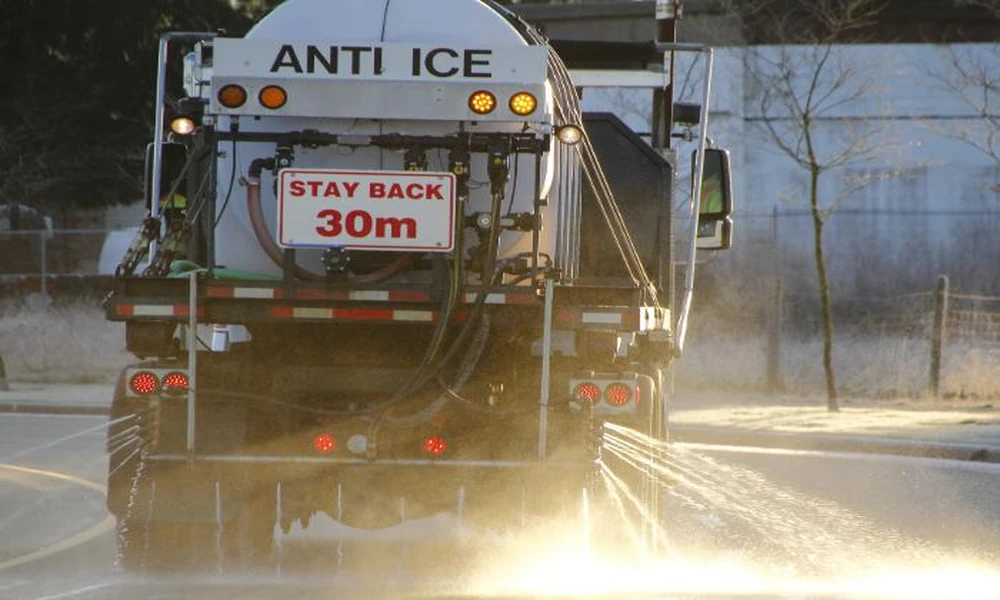
Snow is then moved toward planned storage areas. Deicing material may be applied to selected surfaces after clearing, depending on temperature and site conditions.
Longer storms may require several visits. One pass may open main travel lanes, another may clear new accumulation, and a final visit may clean up the site after snowfall ends.
Snow Placement Can Affect the Rest of the Property
Clearing snow is only part of the job. The contractor also needs to decide where it will go.
Large piles near entrances may limit sight lines for drivers and pedestrians. Snow stored over drainage areas may create problems when melting begins. Piles near loading docks, fire lanes, or walkways may interfere with normal operations.
Commercial Snow Removal includes planning storage areas before the storm so cleared snow does not create another access problem.
On properties with limited space, snow may need to be stacked carefully or moved elsewhere on the site.
Parking Lots Need a Traffic Plan
Commercial parking lots are rarely empty when snow starts falling.
Employee vehicles, overnight cars, delivery trucks, curbs, and traffic islands can all affect how a lot is cleared. A contractor may divide the property into sections and open the main lanes first so vehicles can keep moving.
Businesses that stay open during storms may need repeated service. As cars leave, crews may return to clear spaces that were blocked earlier.
Sharing operating hours with the contractor can make this process smoother and keep attention on the busiest parts of the property.
Sidewalks and Entrances Need Their Own Approach
Vehicle access is only one part of keeping a commercial property usable.
Sidewalks, steps, ramps, and building entrances often require smaller machines, shovels, or other equipment. These areas may need more frequent attention because wind, foot traffic, and nearby plowing can cover them again.
Professional snow service should include pedestrian routes, especially where people move between parking areas and building entrances.
Entrances may also need deicing after snow is cleared because packed snow and refreezing can create slick spots.
Deicing Supports the Clearing Work
Plowing removes most accumulation, but it does not always leave every surface free of ice.
Melting snow may refreeze when temperatures drop. Packed areas may also stay slick after the main snow has been removed.
Deicing products may be applied to walkways, entrances, parking lanes, slopes, and loading areas. Product choice depends on temperature, surface type, weather conditions, and property needs.
Deicing works best as part of a larger winter plan rather than as a substitute for snow removal.
Longer Storms May Require More Than One Visit
Waiting until a long storm is over may not work for a busy commercial property.
A contractor may make an early pass to keep main routes open, return as more snow accumulates, and complete another cleanup after snowfall ends. This approach is useful for restaurants, hotels, medical properties, retail centers, and other businesses that stay active during winter weather.
Commercial Snow Removal may be scheduled around accumulation thresholds, service windows, or other triggers agreed on before the season begins.
Clear expectations make it easier for the business and contractor to understand what happens during different storms.
Prepare the Property Before Winter Weather Arrives
Planning ahead makes snow service more efficient.
Mark curbs, islands, loading zones, drainage structures, and other features that may be harder to see under snow. Share business hours and explain which entrances or parking areas receive the most traffic.
It is also useful to identify preferred snow storage areas and discuss vehicles that may stay on the property overnight.
These details give the contractor a clearer picture of the site before weather conditions become difficult.
Conclusion
Reliable snow service for a commercial property involves much more than clearing the middle of a parking lot. The work includes identifying priority areas, opening vehicle and pedestrian routes, planning snow storage, applying deicing materials where appropriate, and returning during longer storms when conditions call for it.
A clear service plan prepared before winter can make each storm easier to manage and reduce interruptions around the property.
If your business needs a plan for keeping parking lots, entrances, walkways, and service areas accessible during winter weather, contact Rhode Island Snow Removal Services to discuss professional snow removal options for your commercial property.
