


Patching vs. Replacing: Which Option Actually Saves Money Over 10 Years?

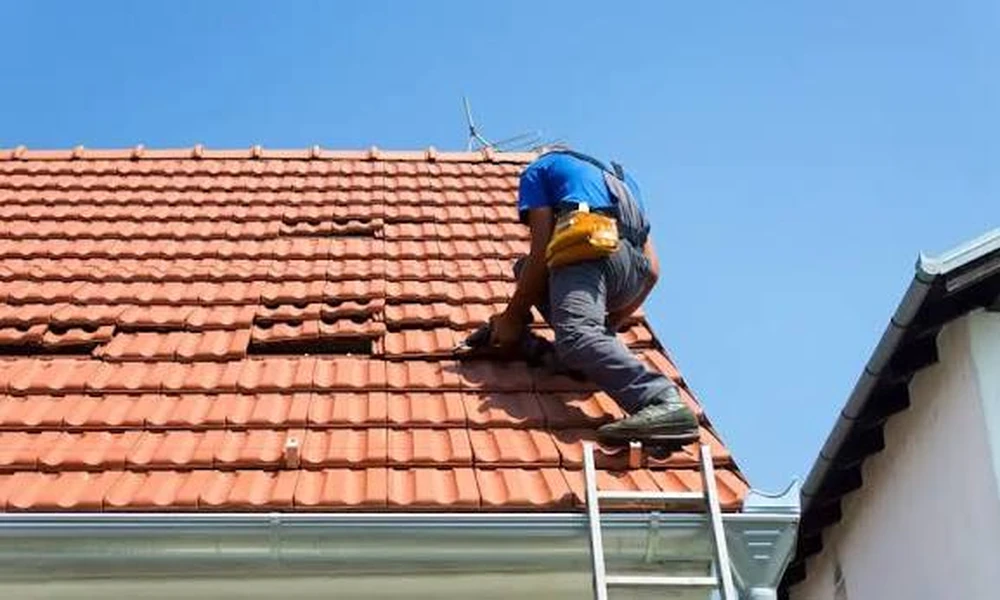
When a roof begins to come to the end of its lifespan, or starts leaking, every homeowner will be faced with the dilemma of whether to invest in patching just a part of the roof or replacing it entirely.
On the surface, it looks like patching would be the most cost-effective solution. However, when looking at the 10-year cost of replacing a roof, savvy property owners will want to calculate the real cost to their property. With the help of some of the best professionals in the industry, like roofers in Charles Town, property owners can identify the correct base cost of their property.
Understanding Short-Term Patching: Pros, Limits, and Real Costs
Spot patching is great for specific issues. If 3 shingles have been blown off or a pipe boot is cracked, then this is a fast and cheap solution.
When To Patch
If your roof is less than 10 years old, and the shingles around the area are still flexible and the underlay is dry, then patching is a perfect solution.
Where Things Can Get Costly
If your roof is getting older, you run the risk of spending too much on patching. The shingles will have become dry and started to lose granules across the entire roof. If you only patch one leak on your 18 year old roof, then stress is applied to other weak areas.
Once you start to spend 4-5 emergency repairs over 10 years, you’ll be spending as much as if you had replaced your roof.
Full Roof Replacement: Upfront Investment vs. 10-Year ROI
A full replacement will be a larger up-front cost, however, it will reset the life of your property. Modern architectural asphalt shingles are high performance and come with warranties of 30 years or even life-long.
By investing in a complete removal of your roof, you’re removing any hidden risks to your roof structure. By working with some of the best professionals, like certified roofers in Charles Town, you’ll know that your roof will be installed perfectly, providing maximum energy efficiency and a full warranty. You’ll also see an instant increase in your property’s resale value, providing a 60- 70% return on your investment.
10-Year Cost Comparison Breakdown
As a general guide for a typical residential property:
| Financial Metric | Multiple Spot Patches | Full Roof Replacement |
|---|---|---|
| Initial Outlay | Low ($300 – $800) | Moderate to High |
| 10-Year Cumulative Repairs | High ($3,000 – $6,000+) | $0 (Covered by Warranty) |
| Risk of Interior Water Damage | Moderate to High | Extremely Low |
| Energy Bill Savings | None | 5% – 15% Annually |
| Value Added to Home Equity | $0 | High (60%-70% Cost Recovery) |
The 30% Rule: How to Decide
Many roofing professionals use the following calculation:
- If the cost to repair your roof is over 30% of the cost to replace your roof, you should replace your roof.
- If more than 30% of your roof is losing granules or curling, patching won’t provide any real returns.
Any issues over these figures mean that your patches won’t last longer than 12-24 months and you’ll end up having to pay to replace your roof.
Critical Decision Factors for Homeowners
- Age Of Roof – If your roof is over 80% of its lifespan, it won’t be beneficial to patch.
- Decking – If you’re seeing soft or sagging areas in your decking underneath the shingles, you need to have a full removal.
- Granules – If you have lots of coloured granules build up in your gutters, it means your roof has lots of deterioration.
Conclusion
If your roof is young and you have isolated damage, it would be the best option financially to patch. However, if your roof is getting old, constantly patching will end up costing you a lot of money. Replacing your roof will ensure that you have fixed costs, no more leaks, reduced energy bills, and a better financial return over 10 years.
