



A Step-By-Step Guide To Understanding Roofing Projects

Residential roofing may seem simple, but it encompasses several stages, from damage assessment to final inspection. Individuals who wish to see more and then conduct their research regarding exterior maintenance might be interested in knowing about the processes that occur in a residential roofing process. It is important for individuals to know about these processes in order to set their expectations.
Initial Inspection and Assessment
In most cases, a roofing project starts by assessing the current roof. Through the assessment, it becomes possible to identify any damaged shingles, degraded flashing, leaks, water drainage issues, and other problems that may be experienced. It is possible for roofers to also assess the state of the gutters, roof edges, ventilation, and the area surrounding chimneys or skylights. Another important thing to consider when carrying out roofing is the state of the roof deck beneath. Though there are certain things one will notice externally, some hidden moisture damage and weak wooden areas can only be realized once the current roofing material is stripped off.
Planning and Material Selection
After the assessment of the roof, the following step is determining the tasks that need to be done and choosing the proper materials for these tasks. Asphalt shingles are frequently employed in residential construction, as they are very versatile and come in several varieties. It may also be considered metal roofing, slate, or other types of material depending on the design of the house, cost, and maintenance.
The local climate plays a role here as well. In Cherry Hill, New Jersey, homes experience changes in temperature, seasons, rain, wind, and sometimes storms. The roofing materials, therefore, have to offer proper protection from all of these factors. Among other things, planning will include receiving estimates, checking what the contract covers, planning the schedule, and checking whether permits or inspections are needed.
Preparing the Property
There could be a need to prepare the surroundings before starting the process. The roofing activity is one that is associated with falling objects, transportation of materials, as well as loud noises. In the process, homeowners will be required to move their cars out of the building and even move any objects that could be damaged within the property. There could be protective measures put on the landscaping, windows, as well as surrounding buildings. There could also be areas marked for storage of materials and waste removal. Homeowners need to be prepared for some inconveniences, especially when replacing the whole roof.
Removing and Installing Roofing Materials
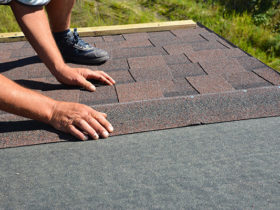
In case of total replacement, old shingles and underlayment are usually removed before the inspection of the roof deck. Any areas that have been damaged or weakened need repair before new materials are installed. A new roofing system comprises underlayment, flashing, and the chosen exterior material. Flashing is especially critical in the chimney area, vents, roof valleys, and other areas where water might penetrate the building. Sometimes weather affects the roofing schedule. Rainy days, windy days, or any other inappropriate weather condition make it necessary to stop working to keep workers safe and protect areas of the roof that are exposed.
Final Inspection and Cleanup
When the installation process has been completed, there is a need to inspect the roof to determine the level of workmanship. This is focused mainly on flashing, the edges of the roof, ventilation parts, and the positioning of the roof coverings. The clean-up process is also essential. It includes cleaning up debris and checking the surrounding area for stray nails and other discards. The homeowners also need to look at the warranties and other related information.
Understanding the Roofing Process
There is more to a residential roof than simply putting up new shingles. Various processes will go into making sure the roof will be durable enough to survive changes in weather conditions. People who would like to see more about roofing projects can consider how the proper use of materials and inspection will benefit residential properties.
