


Should Your Drains Get a Checkup Before They Clog?

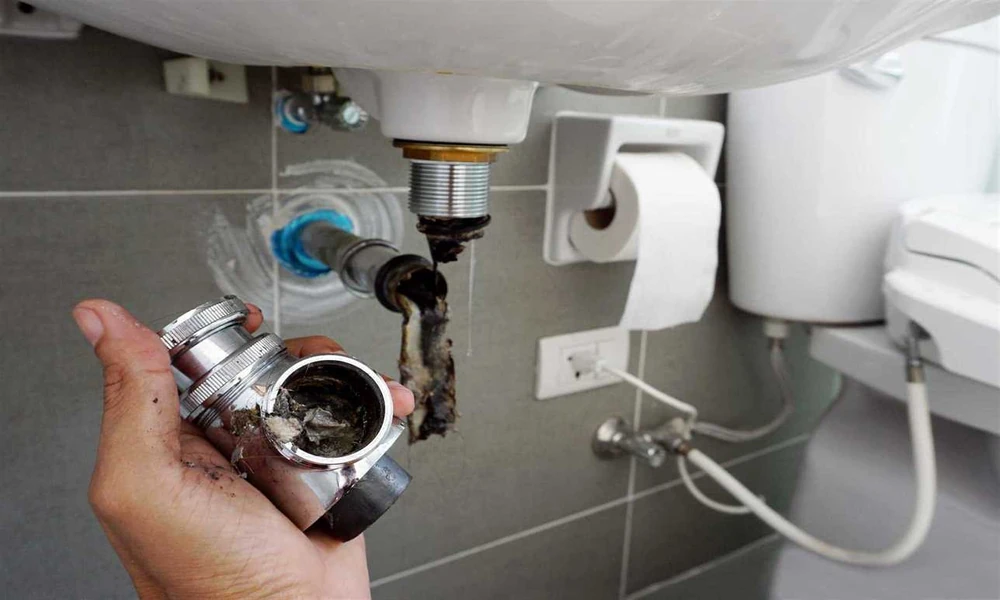
Most households think about their drains exactly once, on the morning the shower turns into a wading pool or the kitchen sink refuses to empty before guests arrive. Furnaces get tune-ups, cars get oil changes, and gutters get cleared every fall, yet the pipes carrying everything out of the house are usually left alone until they stop working. Routine drain cleaning flips that habit around, treating buildup as something to remove on a schedule instead of something to fight in an emergency.
That shift in thinking is exactly what a good cleaning service in Kettering tends to encourage. The crew at daytondrain.net clears kitchen, bathroom and washer lines along with sewer and main line blockages, writes up an estimate for approval before any work begins, and keeps its phones answered day and night. Their more than 50 years of local experience matters in a city where so many houses date to the early 1960s and still drain through original pipe.
Clogs Announce Themselves Weeks Ahead
A full blockage almost never arrives without warning. Grease, hair and soap scum build up gradually, narrowing the pipe a little more each week, and the house usually drops hints long before water stops moving.
A bathroom sink that takes thirty seconds to empty when it once took five is telling you something. So is a bubbling noise from the tub when the toilet flushes, or a faint sewer smell rising from the kitchen drain on warm afternoons. Some people notice that the water level in a toilet bowl sits lower than it used to or rocks gently when another fixture drains. Each of these signals means air and water are struggling to get past a restriction, and each is far cheaper to deal with now than after the line closes completely.
Which Homes Run Their Drains Hardest
No single cleaning schedule fits every house, because drains wear according to how a family lives. A few patterns show up again and again.
The kitchen that cooks from scratch
Homes where someone fries, roasts and simmers most nights send far more fat down the sink than households living on takeout. Even with careful scraping, a film of grease coats the pipe walls and catches food particles. Busy cooking households often benefit from having the kitchen line cleaned every year or two.
The bathroom with a morning rush
Four people sharing one shower means four heads of hair and plenty of conditioner heading into a narrow trap. Long hair binds with soap residue into stubborn ropes that a plunger rarely reaches, so these bathrooms tend to slow down well before others in the house.
The laundry room that never rests
Families running a load or two every day push large volumes of lint and detergent into the washer drain. Modern machines pump water out in quick, forceful surges, and an older standpipe with built-up residue can overflow even when it never did before.
The yard full of mature trees
Older neighborhoods with big maples and oaks near the front walk carry a hidden risk, because roots chase moisture into small gaps in aging sewer laterals. Homes with a history of root trouble often need the main line cleared on a regular cycle, sometimes every year.
The basement that floods in a storm
If water appears at the floor drain during heavy rain, the problem may be less about buildup and more about stormwater entering a line designed only for household waste. Cleaning helps, though the real fix usually involves redirecting that water.
Why the Bottle Under the Sink Falls Short
Store bought chemical cleaners promise quick results, and they sometimes deliver for a day or two. Most of them work by generating heat or dissolving organic material, which can punch a narrow hole through a clog while leaving the rest of the buildup clinging to the pipe walls. The drain flows again, briefly, and then closes up faster the next time.
Repeated use carries its own costs. Harsh caustic or acidic formulas can soften old plastic joints and speed corrosion in aging metal pipes, and leftover chemicals sitting in a trap create a genuine hazard for whoever opens the line next. Running hot water with dish soap after greasy pans has a similar weakness, since the grease simply cools and hardens farther down the pipe where it is harder to reach.
Inside a Professional Cleaning Visit
A scheduled cleaning looks quite different from a frantic emergency call. With time to work, a technician can focus on clearing the line properly instead of just getting water moving. A typical visit usually involves several stages.
- A few questions first. Expect to be asked which fixtures drain slowly, how long the problem has been building, and whether anything unusual went down the drain recently.
- Choosing the right entry point. Small branch lines are often reached through the fixture or trap, while main lines are accessed through a cleanout so the cable has a straight path.
- Matching the tool to the buildup. Cable machines with cutting heads handle hair and roots, and hydro jetting uses pressurized water to scour grease and scale from the pipe walls.
- A camera when the history calls for it. Recurring clogs justify sending a camera through the line to look for cracks, sags or root entry points that cleaning alone cannot fix.
- Testing the flow afterward. Running several fixtures together confirms the line drains freely under a realistic household load.
Where Your Pipes Meet the County’s
Every drain in a Kettering home eventually connects to a much larger system. Montgomery County Environmental Services provides sewer service to the city and operates its Eastern Regional Water Reclamation Facility right here on Spaulding Road, where crews treat around eight million gallons of wastewater a day before releasing it into the Little Miami River watershed. County workers have repeatedly asked residents to keep cooking grease out of drains because it causes costly maintenance problems at the plant and throughout the sewer lines feeding it.
The county has also sponsored a Foundation Drain Disconnect Program offering up to $4,000 toward plumbing work such as disconnecting downspouts, floor and foundation drains from the sanitary sewer and installing a sump pump. Homeowners who deal with storm related backups should check whether their property qualifies, because no amount of cleaning will stop rainwater from overwhelming a line it was never meant to enter.
Finding a Rhythm That Suits Your House
The most useful habit is also the simplest one. Write down the date and the fixture each time a drain is cleaned or gives trouble, and within a couple of years a clear pattern usually emerges. A kitchen that slows every eighteen months, or a main line that struggles each autumn when roots are most active, practically sets its own maintenance calendar.
Between visits, small choices stretch that calendar further. Pour cooled grease into an old can for the trash, keep inexpensive strainers in tubs and showers, and leave wipes out of the toilet no matter what the package claims. Drains handled this way rarely make headlines in the household, which is exactly the point.
