



When Foundation Leak Repair Becomes the Right Fix for Recurring Moisture

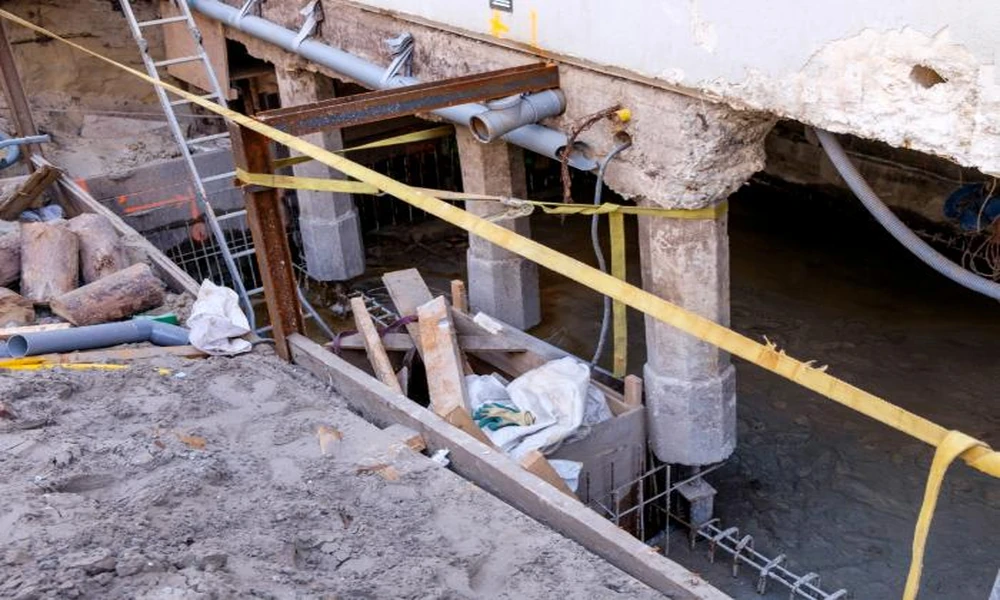
Moisture that keeps returning to the same part of a basement can be frustrating. A wall may look dry for days, then develop a damp patch after heavy rain. Paint may bubble, a musty smell may return, or water may collect along the floor edge. When the same pattern repeats, the problem usually deserves more than another surface patch.
Foundation Leak Repair becomes the right approach when moisture is entering through a specific weakness in the foundation rather than coming from indoor humidity alone. The service focuses on finding the water path, locating the entry point, and repairing the area that allows moisture into the structure.
If recurring leaks or foundation cracks are becoming harder to ignore, https://foundationrepairlynchburg.com/ offers more information about local foundation repair services. A professional evaluation can identify where moisture is entering and what type of repair may fit the problem.
Look at When the Moisture Appears
The timing of a leak can reveal useful information.
If moisture appears shortly after a storm, exterior runoff may be reaching a crack or joint. If dampness develops only after several wet days, saturated soil may be building pressure around the foundation. Water that remains even during dry weather may point to another source, such as plumbing or condensation.
A contractor may ask when the leak started, how often it appears, and what weather conditions usually come before it. That information can narrow down the likely source before repair work begins.
Foundation Leak Repair is more effective when the moisture pattern is understood instead of treating every wet wall the same way.
Find the Weak Point
Water usually follows an existing opening.
Common entry points include concrete cracks, mortar joints, gaps around utility penetrations, wall-to-floor joints, damaged masonry, and openings near basement windows. Water may also travel behind a surface before becoming visible, so the wettest spot is not always the exact place where it entered.
A repair visit may include checking crack direction, wall condition, staining, mineral deposits, and areas where old sealant has failed. The technician may also compare the inside wall with the matching exterior section.
The goal is to identify the weak point before sealing or covering anything.
Match the Repair to the Leak
Foundation leaks do not all require the same method.
A stable concrete crack may be cleaned and sealed with a material suited to the opening. Damaged mortar joints may need restoration. Gaps around penetrations may need new sealing, while a leaking wall-to-floor joint may call for a different water-control approach.
Foundation Leak Repair should match the foundation material, location of the opening, size of the leak, and amount of water reaching the area.
Surface coatings alone may not solve a leak if water continues entering through a deeper crack or joint. The repair should focus on the actual path rather than only improving the appearance of the wall.
Know When Structural Movement Changes the Plan
Some leaks are connected to foundation movement.
A crack that keeps widening, a bowing wall, stair-step cracking, or a repaired opening that keeps returning may suggest that the structure is still shifting. Uneven floors or sticking doors above the same area may add more clues.
In that situation, sealing the leak first may not be enough. Structural stabilization may need to come before the crack is repaired.
Once movement is controlled, the damaged area can be sealed or restored more effectively. This order matters because a moving crack may reopen even after a careful surface repair.
Check the Water Outside the Wall
A repaired opening may still face the same pressure if water keeps collecting outside.
Poor grading, short downspouts, low areas beside the house, saturated soil, and blocked drainage paths can all keep moisture close to the foundation. Runoff from driveways, patios, or other hard surfaces may also send more water toward one wall.
Foundation Leak Repair may work better when these exterior conditions are corrected along with the interior opening.
Drainage work and foundation repair solve different parts of the problem. One deals with where the water goes, while the other repairs the place where it enters.
What a Professional Repair Visit May Include
A typical service visit begins with the visible moisture.
The technician checks the wall, floor joint, cracks, penetrations, and nearby openings. The exterior is then reviewed for drainage, soil conditions, and signs of movement.
Next, the likely water path is identified. If structural movement is active, stabilization may come first. Once the foundation is stable, the leaking crack, joint, masonry section, or penetration can be repaired.
Drainage improvements may also be discussed when outside water is contributing to the problem.
Foundation Leak Repair should follow this sequence so the work is based on the cause rather than a one-size-fits-all coating or patch.
Know When Repeated Patching Is a Warning Sign
A leak that keeps returning after surface repairs may need a different approach.
Paint that bubbles again, sealant that separates, a crack that gets wet after every storm, or moisture spreading beyond the original patch all suggest that the water route may still be active.
Repeated patching can hide evidence without stopping the source. Taking photos and noting the weather before each leak can provide useful information during the next evaluation.
Watch the Area After Repairs
The next heavy rain becomes a useful checkpoint.
Look at the repaired crack or joint, nearby wall sections, floor edges, and any places that used to feel damp. Check exterior drainage at the same time.
A dry repaired area is a positive sign. If moisture appears somewhere else, there may be another entry point that was previously hidden.
Conclusion
Recurring moisture should not be treated as a simple surface problem when water is entering through the foundation. The better approach is to identify when the leak occurs, locate the weak point, determine if movement is involved, complete the right repair, and correct outside water conditions when they contribute.
If moisture keeps returning through foundation cracks, joints, or basement walls, contact Preferred Foundation Repair Lynchburg to discuss foundation leak evaluation, structural repair, and water-control options for your property.
