



What data reveals about the energy efficiency of LED bathroom mirrors

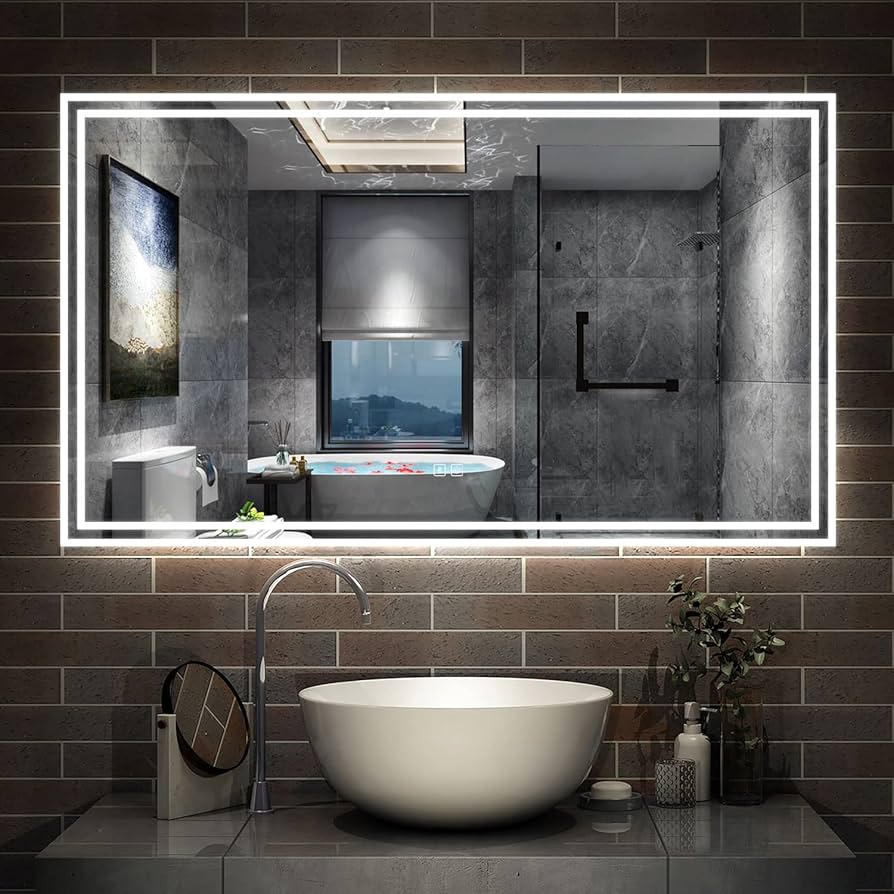
Step into a modern bathroom and you are likely to see an illuminated mirror casting a bright, even glow. But beyond aesthetics, what do the numbers say about the energy efficiency of LED bathroom mirrors? Manufacturers promise lower bills and a smaller carbon footprint, but does the data actually back up those claims?
Understanding LED Technology in Bathroom Mirrors
Most people associate LEDs with crisp, immediate lighting. Unlike old-school incandescent or even fluorescent bulbs, LEDs generate light with far less wasted heat. In bathroom mirrors, these diodes are often embedded behind frosted glass, diffusing light for grooming tasks without the glare. It’s not just brightness that sets them apart. The ability to tune color temperatures, from warm (around 3000K) to daylight (up to 6000K), gives users flexibility, all while sipping power compared to traditional bulbs.
There are two main types of LEDs you’ll find in bathroom mirrors: standard strips and edge-lit panels. Both take advantage of the inherent low-watt draw of LED technology, often running at 18-40 watts for mirrors up to 60 inches. For comparison, a single incandescent vanity bulb can use 60 watts on its own. The efficiency gains are significant.
When stacked against other lighting options, LEDs boast two major advantages. First, their energy use is much lower. Second, they convert more of their electricity into visible light rather than heat. Here’s a look at typical energy consumption:
| Lighting Type | Watts per Light (Typical) | Lifespan (Hours) | Lumens per Watt (Efficacy) |
|———————-|————————–|——————|—————————-|
| Incandescent Bulb | 40-60 | 1,000 | 10-17 |
| CFL Bulb | 13-18 | 8,000 | 45-60 |
| LED (Bathroom Mirror)| 18-40 | 30,000-50,000 | 70-120 |
Measuring Energy Efficiency of LED Bathroom Mirrors
Energy efficiency is about more than just using fewer watts. Lumens per watt, the gold standard of lighting efficiency, reveals how much light you get for each unit of power. The best LED mirrors today deliver up to 120 lumens per watt, a massive improvement over legacy technologies. Combine this with lifespans that can stretch to 50,000 hours, and the long-term savings become clear.
But what about the smart features popping up in high-end mirrors? Integrated Bluetooth speakers, digital clocks, and touch controls add convenience, but also increase standby power draw. However, most of these components use minimal added energy, especially when compared to the baseline efficiency of the LEDs themselves.
Many reputable mirrors are also certified under programs like ENERGY STAR, indicating that they meet or exceed strict efficiency criteria. Buyers should look for these labels as a quick quality check.
Design Innovations Enhancing Energy Efficiency
Sensor-driven features are changing how mirrors use energy. Built-in motion or proximity sensors ensure lights switch off automatically when nobody is in the room, trimming unnecessary power use. Dimmable LEDs allow users to adjust brightness, reducing consumption further. These options deliver tangible savings, especially in busy households.
Yet, not every innovation is purely about saving power. Anti-fog systems and built-in heating elements, popular in colder climates like Montreal, do require extra electricity. While most run at low wattages and are only activated as needed, they are a trade-off for added comfort.
Interestingly, the choice of frame material can also impact efficiency. Aluminum frames, for instance, help dissipate heat generated by both LEDs and defogging systems, protecting components and extending lifespan.
Practical Benefits of Energy-Efficient LED Bathroom Mirrors
The promise of lower utility bills is more than marketing talk. Running a 36-inch LED bathroom mirror for one hour daily costs just a few dollars per year in electricity, compared to up to ten times that amount for traditional bulbs. Over several years, the savings add up considerably.
There is also a broader environmental benefit. The reduced electricity demand of LEDs leads to a smaller carbon footprint, especially in regions where the power grid still relies on fossil fuels. As more households upgrade, the cumulative effect can be significant.
LED mirrors also score high marks for ambiance. Their uniform light coverage transforms morning routines, providing clarity without harsh shadows, and these visual benefits come without the penalty of wasted energy.
Consumer Trends and Market Data Insights
Data from Montreal’s leading retailers underscores the rise of smart and energy-efficient mirrors, with features like anti-fog, dimming, and integrated displays ranking among the most popular. Buyers increasingly prioritize energy ratings alongside style, especially as prices for advanced models have dropped over time.
| Mirror Feature | Popularity (% of Sales) | Avg. Power Draw (Watts) |
|—————————-|————————|————————-|
| Dimmable LED Lighting | 60% | 18-36 |
| Built-in Anti-Fog | 45% | 18-40 |
| Touch Controls/Smart Tech | 35% | 20-45 |
Shoppers are also balancing cost and efficiency, with mid-range smart LED mirrors now widely available under $400. As technology improves, even more energy-conscious features, like adaptive lighting that adjusts to time of day, are appearing.
While style and features still drive purchasing decisions, efficiency is no longer an afterthought. The data is clear: the latest LED bathroom mirrors deliver not just on looks, but on real, measurable savings for your wallet and the planet. Future models promise even smarter, more sustainable options, proof that energy efficiency in bathroom design is here to stay.
