

Retractable Awning Singapore Cost: Manual vs Motorised Comparison

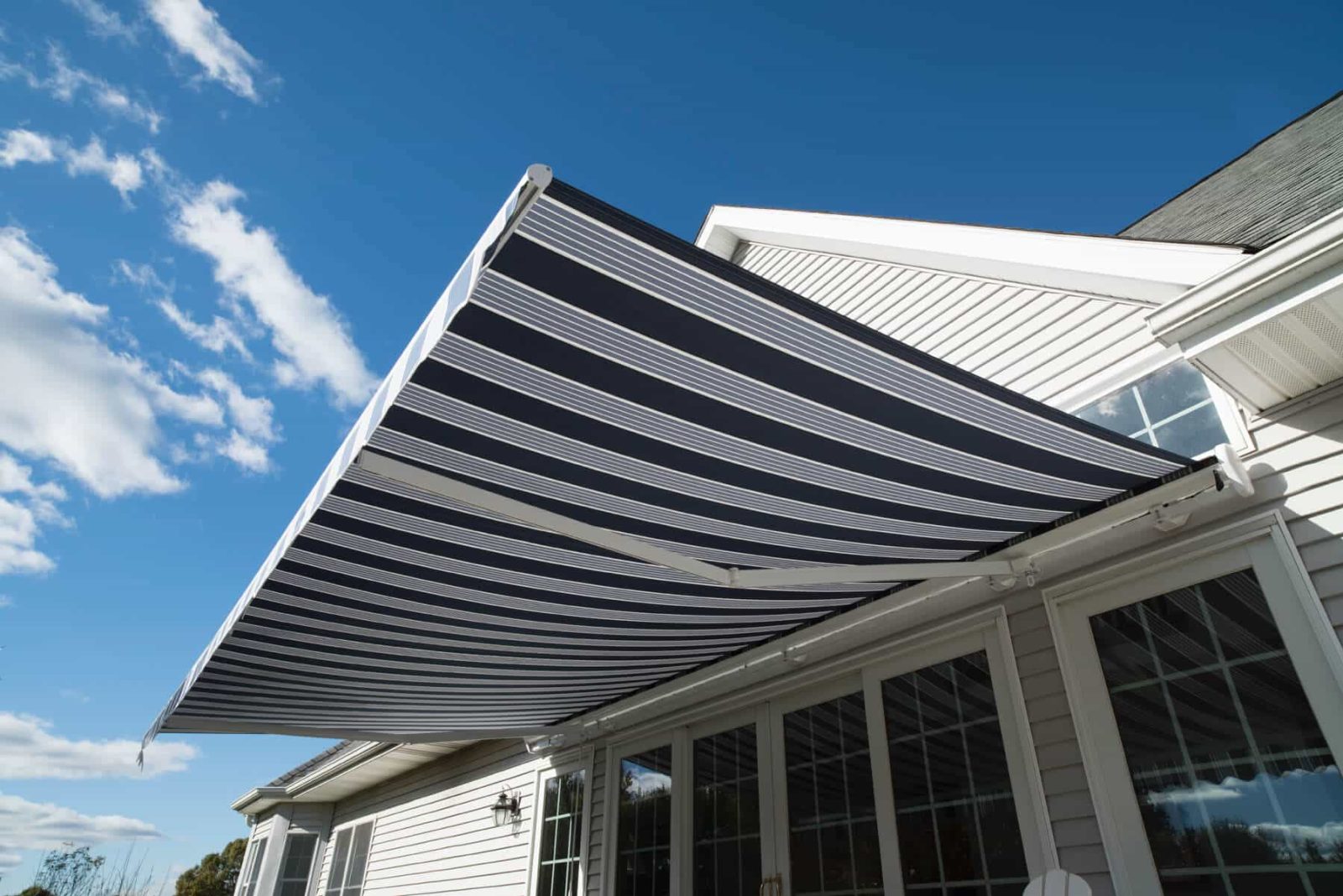
Homeowners exploring retractable awning Singapore options face a fundamental decision that significantly impacts both their initial investment and long-term satisfaction: choosing between manual and motorised systems. This choice extends beyond simple cost considerations, encompassing convenience, durability, maintenance requirements, and how well each system adapts to Singapore’s demanding tropical climate. Understanding the true cost differences requires examining not just the purchase price but the complete ownership experience.
Breaking Down the Cost Structure
The price differential between manual and motorised retractable awnings stems from several distinct components that merit individual examination.
Initial Purchase Investment
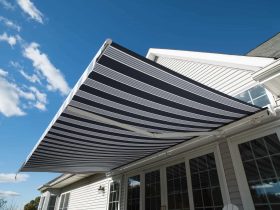
Manual retractable awning singapore systems typically cost 30-40% less than their motorised counterparts when comparing identical frame sizes and fabric specifications. This substantial difference reflects the motorised system’s additional components: electric motors, control mechanisms, wiring infrastructure, and remote operation devices.
However, this straightforward comparison overlooks important nuances. Motorised systems often incorporate higher-quality mechanical components throughout the entire assembly. Manufacturers typically reserve their most robust frames, superior bearing systems, and advanced fabric tensioning mechanisms for motorised models.
Installation Complexity and Costs
Installation expenses reveal another layer of cost differentiation. Manual retractable awnings require relatively straightforward mounting procedures focused primarily on structural attachment points.
Motorised systems demand additional electrical work. Licensed electricians must install weatherproof power connections, integrate control systems, and ensure proper grounding to meet Singapore’s electrical safety standards. This electrical component typically adds 15-25% to installation costs. Some installations require dedicated circuit breakers, particularly for larger systems or those integrated with smart home platforms.
Operational Characteristics and User Experience
Beyond initial costs, the daily interaction with your retractable awning Singapore system shapes long-term satisfaction and influences the true value proposition.
Manual Operation: The Hands-On Approach
Manual retractable awnings employ crank mechanisms requiring physical effort to extend and retract. Modern gear systems have evolved considerably, with quality units incorporating smooth-turning mechanisms. A typical manual system requires 20-30 seconds of cranking to fully extend a standard-sized awning.
The operational reality deserves honest assessment:
- Physical accessibility: Users with mobility limitations may find manual operation challenging
- Weather responsiveness: Manual systems require immediate physical presence to retract before sudden storms
- Consistent use patterns: The effort requirement often leads to awnings remaining extended rather than being adjusted throughout the day
- Mechanism durability: Fewer moving parts generally translate to reduced mechanical failure points
“In Singapore’s climate, the ability to quickly retract an awning when weather conditions change suddenly can determine whether your investment lasts fifteen years or requires premature replacement,” notes building maintenance specialists.
Motorised Operation: Automated Convenience
Motorised retractable awnings transform user interaction through push-button simplicity. Remote controls, wall switches, or smartphone applications enable effortless operation. Modern systems extend or retract in 30-60 seconds with zero physical effort.
Advanced motorised retractable awning in Singapore installations offer additional capabilities:
- Wind sensors: Automatically retract awnings when wind speeds exceed safe thresholds
- Sun sensors: Extend automatically when sunlight reaches predetermined intensity levels
- Rain sensors: Retract promptly when rainfall begins, preserving fabric condition
- Timer programming: Automate daily operation patterns without manual intervention
- Smart home integration: Coordinate with broader home automation systems
These automated features provide genuine protective value. Singapore’s sudden tropical downpours can drench extended awnings within seconds, and automated retraction prevents water pooling that stresses fabric and frame structures.
Maintenance and Long-Term Cost Implications
Ongoing maintenance expenses and repair probabilities influence the total cost of ownership over a retractable awning’s functional life.
Manual System Maintenance
Manual retractable awnings present straightforward maintenance profiles. Primary requirements include:
- Annual lubrication of crank mechanisms and pivot points
- Periodic inspection of gear assemblies for wear
- Fabric cleaning to prevent mould accumulation
- Occasional tension adjustment as fabrics settle
Repair costs remain relatively modest when issues arise. Crank mechanisms, gears, and hand chains represent inexpensive components readily available from suppliers.
Motorised System Maintenance
Motorised retractable awning Singapore systems require additional maintenance attention. Electric motors need periodic inspection, control electronics may require troubleshooting, and sensor systems demand calibration. Annual professional servicing proves advisable to ensure reliable performance.
When motorised systems develop faults, repair costs escalate. Motor replacements and control board repairs involve specialised components carrying higher price tags. However, quality motorised systems typically operate trouble-free for 7-10 years before requiring significant maintenance interventions.
The maintenance equation shifts favourably for motorised systems when considering fabric longevity. Automated retraction during adverse weather protects fabrics from damaging sun exposure, water accumulation, and wind stress. This protection can extend fabric lifespan by 2-3 years compared to manual systems.
Energy Efficiency and Indirect Savings
Both manual and motorised retractable awnings deliver measurable energy savings by reducing solar heat gain through windows and glass doors. Singapore homeowners report cooling cost reductions of 15-25% in shaded areas.
Motorised systems with sun sensors optimise these savings by automatically deploying when solar intensity reaches levels that would otherwise increase indoor temperatures. Over a decade of operation, these incremental savings partially offset the higher initial investment in motorised technology.
Making the Cost-Benefit Determination
Evaluating manual versus motorised retractable awning Singapore systems requires honest assessment of individual circumstances. Households with residents who maintain active engagement with outdoor spaces and possess physical capability to operate manual systems may find the cost savings justify the operational effort.
Conversely, homeowners prioritising convenience, those with mobility considerations, or residents frequently absent during the day when sudden weather changes occur derive substantial value from motorised automation. The protective benefits of automated retraction can extend system lifespan sufficiently to justify the premium investment.
Budget-conscious purchasers should resist selecting the lowest-priced manual option without considering long-term implications. A quality manual system from an established manufacturer often proves more economical over ten years than a cheap motorised system prone to mechanical failures. The retractable awning singapore market rewards informed decision-making based on comprehensive cost analysis rather than purchase price alone.
