





Is the Builder’s Original Roof Ready to Retire?

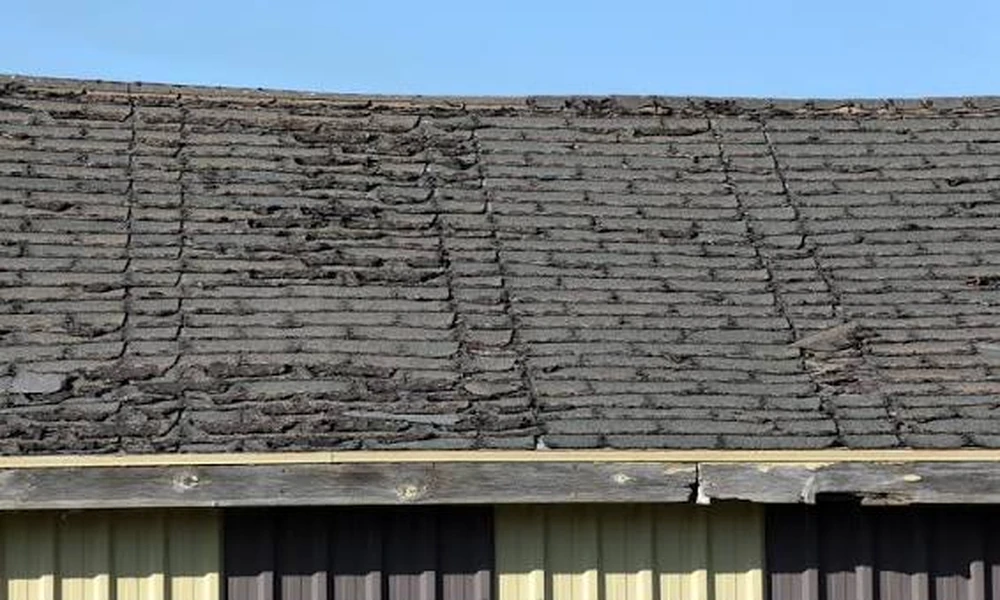
Drive through Prairieville, Gonzales or Dutchtown and you can almost date the neighborhoods by their rooftops. Ascension Parish has been one of the fastest growing places in Louisiana for a long time, and much of that growth came as subdivision after subdivision filled with homes built quickly and roofed even faster. Those roofs went up to pass inspection and close the sale. Today a large share of them are reaching the age where the original shingles are simply worn out.
Families who reach that point often want a local roofer before they start collecting quotes, and SmithProLA is one of the names in the area. SmithPro Roofing and Construction holds Louisiana license #568978 and works out of Fabacher Drive in Prairieville. It handles repairs, full replacements and new installations. Consultations can be booked online, and financing is available through a partner program for homeowners who want to spread out the cost.
Before anyone signs a contract, though, it helps to understand what kind of roof these houses got the first time around, and what the second roof can do better.
What “Builder Grade” Usually Meant
Production builders price every square foot of a house, and the roof is one of the easiest places to save money. That rarely shows up at closing. It shows up fifteen or twenty years later.
On houses built during the boom years, roofers commonly find several shortcuts.
- The shingles are basic three tab or entry level architectural shingles with the lowest wind rating the manufacturer sold.
- The starter course is thin or missing at the eaves and rakes, which is exactly where wind tends to peel a roof open.
- Drip edge is missing or was installed inconsistently, so water curls back under the shingle edge and onto the decking.
- Ventilation is mixed, such as box vents sharing the roof with a ridge vent, which can short circuit the airflow in the attic.
- The decking is thin oriented strand board that was nailed on quickly, with seams that were never sealed.
None of these problems was dramatic when the house was new. Together, they explain why so many twenty year old roofs in the parish look worn out at the same time.
The Clues Show Up Below the Roofline First
You don’t need to climb a ladder to see signs of age. Shingles shed their protective granules as they wear, and those granules wash into the gutters and pile up at the bottom of the downspouts like coarse dark sand. Black streaks across the north and west slopes are algae, which thrives in our humidity. Algae alone doesn’t ruin a roof, but it tells you the shingles have been sitting wet for years.
After a strong storm, walk the yard and look for shingle tabs on the grass. Look up at the roof too. A tab that has been lifted and creased has lost its seal, and the next storm will lift it more easily. In the attic on a sunny afternoon, pinpoints of daylight around nails, dark stains on the decking, or plywood that feels soft underfoot all mean water has been getting in for a while.
Sometimes the clues come in the mail. Insurers in Louisiana look closely at roof age, and a renewal notice that suddenly asks about the roof, or a premium that jumps, often signals that the roof’s birthday matters more to the carrier than its appearance.
The Second Roof Plays by Different Rules
Replacing a roof today is a different job than installing one twenty years ago. Louisiana building codes have tightened since many of these subdivisions were built. A permitted replacement brings back details the builder skipped, such as proper drip edge, correct underlayment and nailing that matches the shingle maker’s requirements for high wind areas.
Then there is the option of going beyond code to the FORTIFIED Roof standard developed by the Insurance Institute for Business and Home Safety. The difference is in the layers you never see after the job is finished. A FORTIFIED roof gets a sealed deck, either taped seams or a full peel and stick membrane, so the house stays dry even if shingles blow off. It also gets ring shank nails placed closer together, reinforced edges, and shingles rated for higher winds. A third party evaluator checks the work at key stages instead of trusting the crew’s word.
Louisiana has put real money behind this standard. The Louisiana Fortify Homes Program, run by the Department of Insurance, awards grants of up to $10,000 by lottery to eligible homeowners whose homes fall within the program’s mapped areas. Insurers in the state are required to offer discounts on homes that earn the designation. The rules for eligibility and the registration windows change from round to round, so check the current map before assuming your address qualifies. Even without a grant, many homeowners pay for the upgrade themselves because they will keep getting the insurance savings for as long as they own the house.
Timing the Decision Without Waiting for a Leak
The worst time to replace a roof is the week after a named storm. Every crew in the region is booked, material prices rise, and out of town contractors start knocking on doors. Homeowners who plan ahead get to choose their timing, and fall through early spring is usually the easiest window. The weather is milder, crews have more openings, and the job can be finished well before the next hurricane season begins in June.
Planning ahead also gives you time to compare bids properly. Ask each contractor to spell out the underlayment, the nailing pattern, how they handle edge metal, and what they will do about the attic ventilation. Ask whether replacing damaged decking is priced per sheet. Get a copy of the license number and the proof of insurance. A bid that only names a shingle color and a total price leaves too much unsaid on a house that already lived through one shortcut roof.
Why a Neighborhood Retires Its Roofs Together
One last point is easy to overlook. Subdivision homes were often roofed in the same season with the same materials, so the houses on a street tend to wear out together. When the first house on the block gets a new roof, the rest usually aren’t far behind, and storms make the timing obvious. That’s useful information for a homeowner. If the roof next door just came off and showed rotted decking at the eaves, there’s a good chance yours has the same problem under the same shingles.
A builder’s roof was meant to get a new house through its first chapter. The roof that replaces it will cover the years you actually live in the place. It makes sense to give that decision the care the builder never did, and to have a roof that suits a parish where heat, humidity and Gulf storms all take their toll.
