




Why Water Testing Should Come Before Installing a Water Treatment System

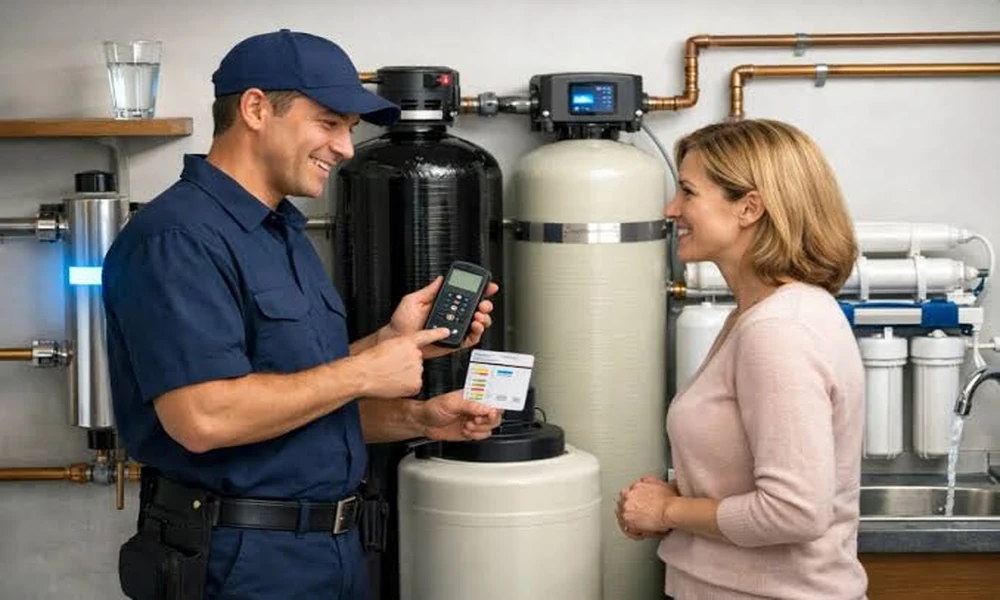
Thinking about upgrading your home’s tap water? Before purchasing filtration equipment, there is one crucial step you cannot afford to skip: comprehensive water testing. Installing a system without knowing your water’s precise chemical composition can waste thousands of dollars and leave harmful contaminants unaddressed. Discover why testing first ensures you choose the ideal system for your household.
The Hidden Complexity of Residential Tap Water
Turn on your tap, and you expect safe, refreshing water for drinking, cooking, and bathing. However, both municipal supplies and private wells can harbor unseen impurities that compromise taste, stain fixtures, and impact your long-term health. Many homeowners immediately start shopping for water treatment systems for cleaner water, assuming any standard filter will solve their problems.
Unfortunately, buying equipment without testing your water supply is like taking prescription medication without a doctor’s diagnosis. A professional water analysis pinpoints the exact minerals, chemicals, and biological elements present in your plumbing, allowing you to select a targeted solution that delivers lasting peace of mind.
Why Water Testing Should Always Be Step One
1. Identifying the Exact Contaminants Present
Water impurities vary dramatically depending on your geographic location, local infrastructure, and water source. What works for a neighbor down the street may be entirely ineffective for your household’s unique supply.
Testing reveals specific issues that cannot be detected by sight or smell alone, including:
- Hard Water Minerals: High levels of calcium and magnesium that create limescale buildup in pipes.
- Chemical Additives: Excessive chlorine or chloramines used during municipal treatment that ruin taste and dry out skin.
- Heavy Metals: Trace amounts of lead, copper, or iron leaching from aging plumbing lines.
- Biological Impurities: Bacteria, nitrates, or agricultural runoff common in private well systems.
2. Matching Technology to Your Specific Needs
Water filtration is not a one-size-fits-all discipline. Different treatment technologies are engineered to solve entirely different water quality challenges.
If your primary issue is hard water, a specialized water softener is required to neutralize mineral buildup and extend appliance lifespan. If your goal is removing dissolved solids and microscopic toxins from drinking supply, a reverse osmosis unit is necessary. Whole-home carbon filtration, meanwhile, excels at removing harsh chemical tastes and odors. Testing eliminates guesswork so you buy only what your home actually requires.
The Risks of Skipping a Pre-Installation Test
1. Avoiding Equipment Overkill or Underperformance
Installing a filter without prior analysis often leads to two frustrating outcomes: under-filtering or over-filtering. Under-filtered water leaves dangerous contaminants in your drinking supply, while an oversized treatment setup wastes money on unnecessary maintenance and media replacements.
Choosing the right water treatment systems for cleaner water requires balancing flow rate, filter longevity, and purification capacity. An accurate water test ensures your system operates at peak efficiency without straining your budget.
2. Protecting Your Plumbing Infrastructure and Appliances
Unfiltered water can cause severe, invisible damage to water heaters, dishwashers, washing machines, and internal piping over time.
Key household benefits of accurate pre-testing include:
- Preventing aggressive mineral scale from clogging heating elements and lowering energy efficiency.
- Preventing acidic pH levels from corroding copper pipes and causing hidden pinhole leaks.
- Preserving fixture finishes by eliminating harsh iron stains and blue-green copper residue.
Maximizing long-term Savings and Performance
1. Lowering Ongoing Maintenance and Replacement Costs
Every filtration setup relies on consumables like cartridges, membranes, or resin beds that require periodic replacement. Installing a system mismatched to your chemistry accelerates wear and dramatically shortens component life.
For example, high sediment levels quickly clog delicate reverse osmosis membranes if a pre-filter is omitted. Excessive hardness depletes standard carbon filters before their expected lifespan. Testing identifies these secondary issues, allowing you to design a multi-stage solution that preserves primary filters and keeps maintenance costs predictable.
2. Ensuring System Capacity Aligns with Water Demand
Properly sizing a unit involves more than measuring square footage or counting bathrooms. Peak flow rates and daily gallon consumption dictate the physical tank size and flow capacity required for consistent performance.
When water analysis is combined with usage calculations, professional technicians determine exact pressure and flow parameters. This prevents low water pressure at fixtures, guarantees proper contact time between water and filtration media, and prevents premature system failure during peak usage hours.
Conclusion
Clean, high-quality water is essential to your family’s wellness, comfort, and home longevity. While it is tempting to purchase off-the-shelf treatment equipment right away, taking the time to perform a thorough water test first guarantees that your investment yields real results. A targeted testing approach prevents costly installation mistakes, protects your plumbing infrastructure from damage, and ensures every faucet receives appropriate filtration. Buying water treatment systems for cleaner water works best when guided by clear data rather than assumptions. Schedule a professional water assessment today to gain total clarity, safeguard your household plumbing, and enjoy healthy, refreshing water with every pour.
